
Can Filler Help Jowls? What Cheek, Chin and Jawline Filler Can and Can't Do
Medically reviewed by Nicole Francis, NP, on November 23, 2026.
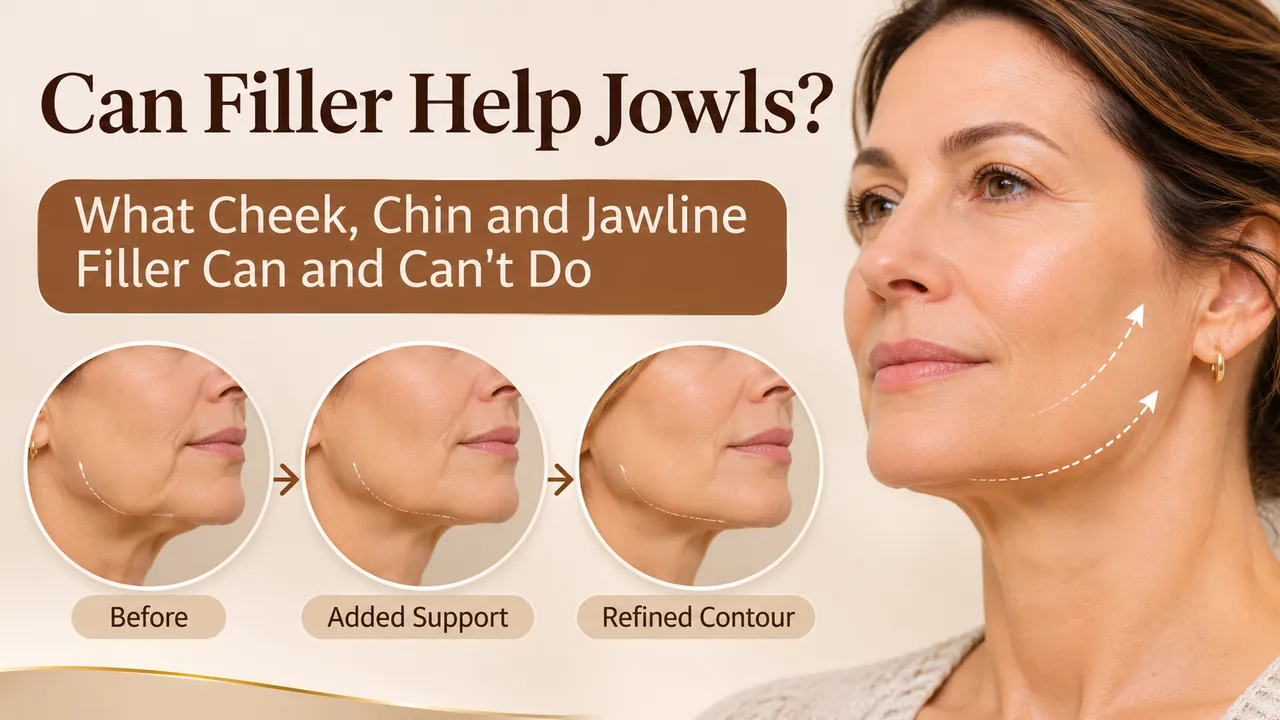
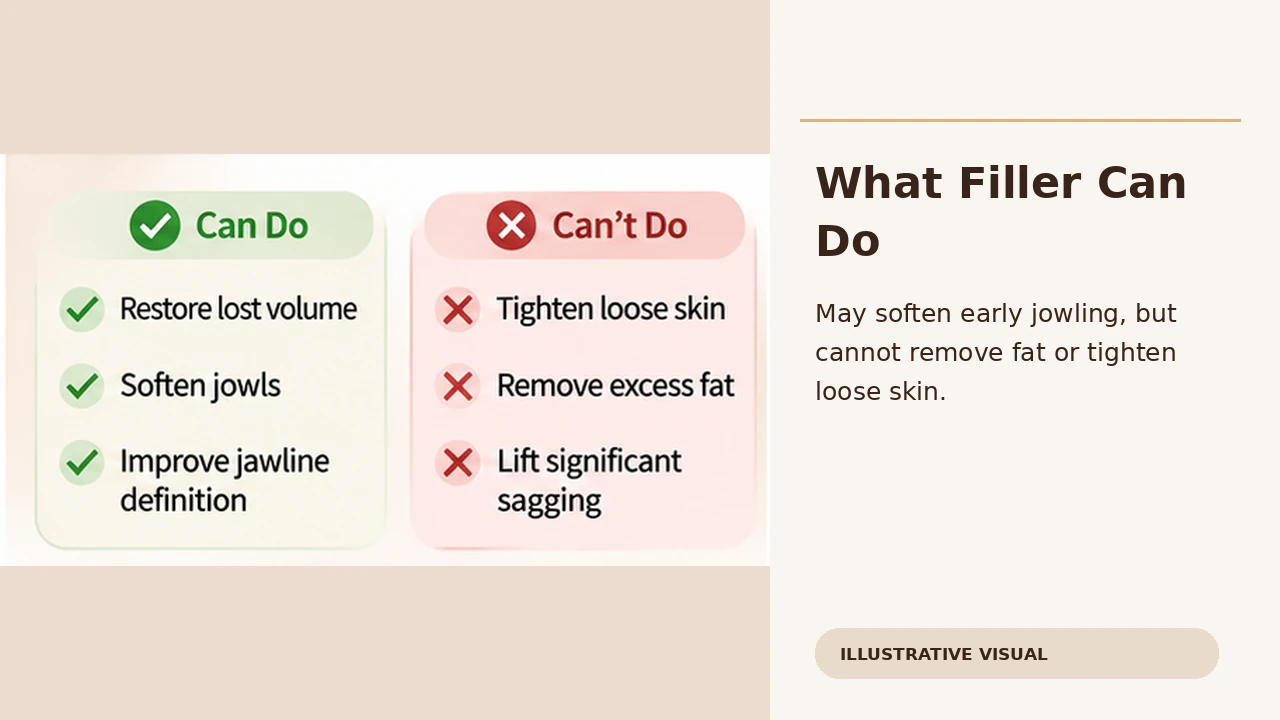
Filler for jowls can soften the look of mild or early jowling by restoring support in the cheeks, chin and jawline.
It doesn't remove loose skin or lift significant sagging. How much it helps depends on where you've lost volume and how much skin laxity you have.
TL;DR
Filler tends to work best on early or mild jowls caused mainly by volume loss.
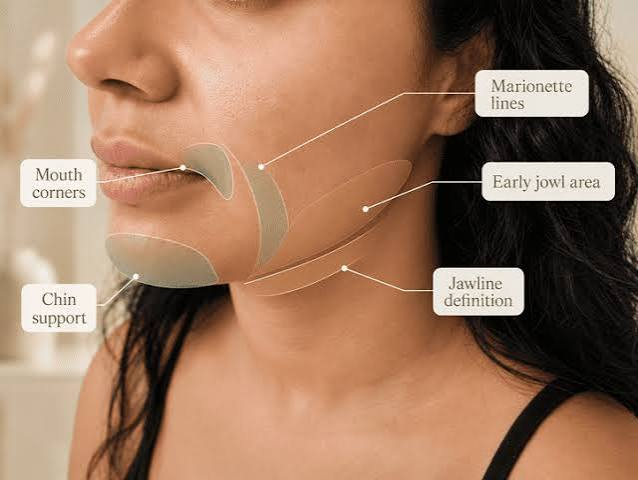
It's usually placed around the jowl (cheeks, temples, chin, jawline), not into the jowl itself.
Filler doesn't tighten loose skin. Significant sagging may need a different approach.
Results last about 6 to 18 months, per the clinic, depending on the filler and the area.
A consultation looks at volume, skin and fat together before choosing a plan.
Can you tell, just by looking in the mirror, whether your jowls come from lost volume, loose skin or extra fat?
Me neither. Here is why.
Can Filler Help Jowls? What It Does and Doesn't Do
Filler can help jowls look softer when the main cause is lost volume. It's a support treatment, not a skin-tightening one.
At a nurse-led clinic, the first job is working out why your jawline has changed. The answer decides whether filler fits.
Why jowls form
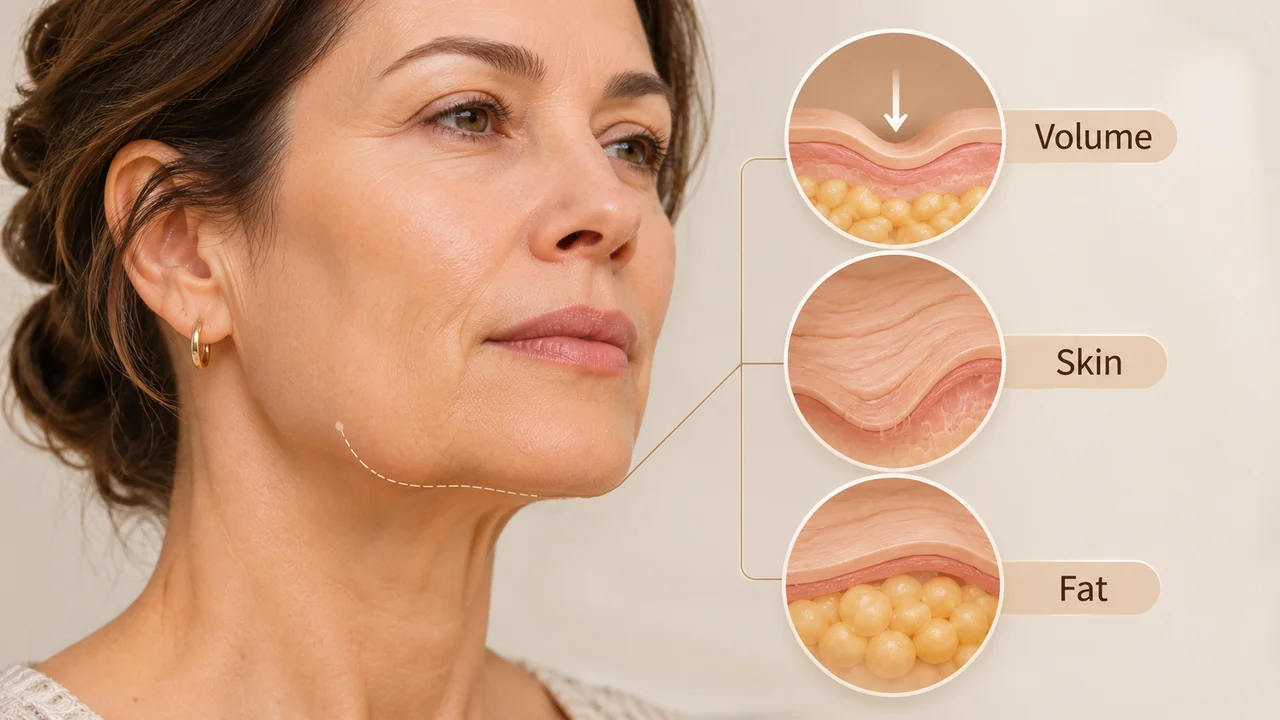
Jowls usually come from three changes happening together:
Cause | What happens | Can filler address it? |
|---|---|---|
Volume loss | Cheek and chin fat pads shrink and shift down | Often, yes |
Skin laxity | Skin loses collagen and elasticity, then drapes | Not directly |
Fat and heaviness | Fat collects along the lower jaw | Not with filler |
Most people have a mix. That's why one syringe rarely solves the whole picture.
Why filler works "upstream"
Filler usually helps jowls by rebuilding the support around them. Adding volume to the cheeks, temples or chin can change how the lower face drapes.
The jowl itself often isn't injected at all. Placing filler directly into a jowl can make it look heavier.
Midface support = less downward drag
Chin support = a smoother jawline transition
Filler in the jowl itself = often more weight, not less
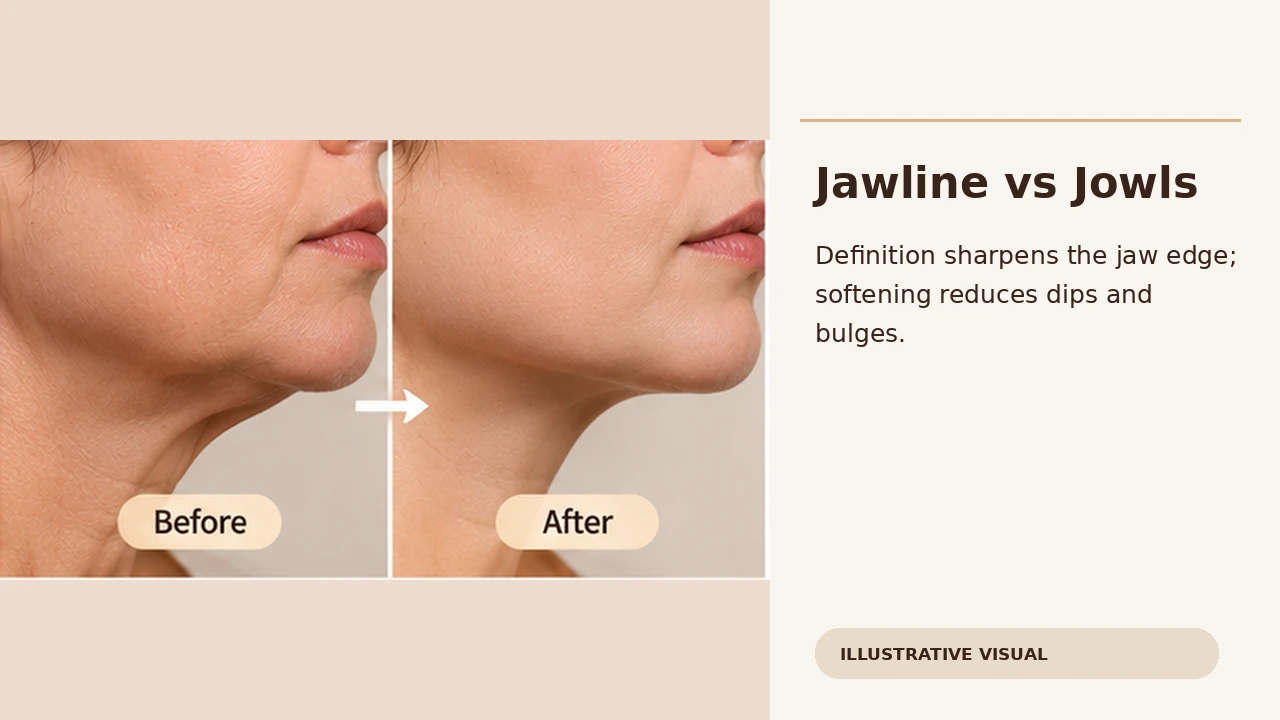
Jawline definition vs jowls
Fillers for the jaw and filler for jowls aren't the same goal.
Jawline definition sharpens the edge of the jaw.
Jowl softening smooths the dip and bulge along that edge.
A good plan may include both, but the priorities differ.
A review of midface and lower-face anatomy describes hyaluronic acid fillers as useful for replacing volume and smoothing the abrupt transitions that develop with age across the midface, chin and jaw. You can read the review of midface and lower face assessment for the clinical detail.
Where Does Filler for Jowls Go?
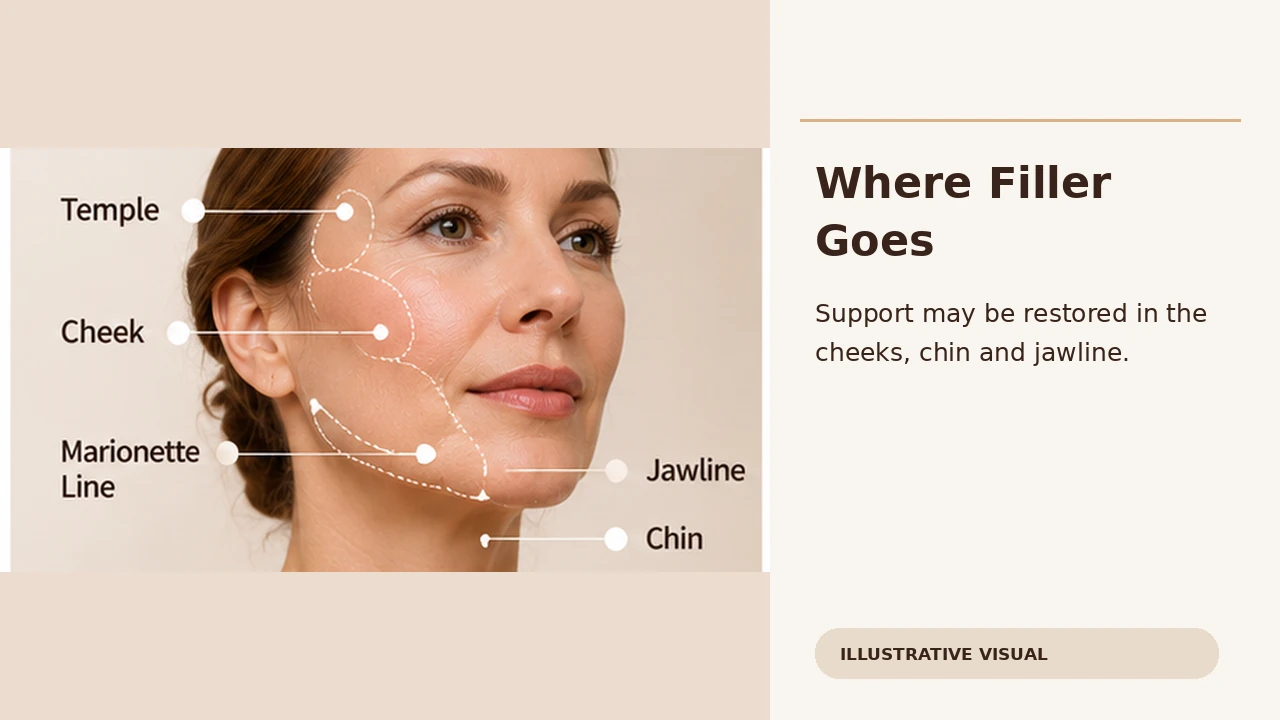
Dermal fillers for jowls are placed where support has been lost, which is usually above or in front of the jowl. The dermal filler treatment page lists the cheeks, chin, jawline, marionette lines and temples among its treatment areas.
Placement map
Area | What filler is designed to do | How it may affect jowls | Best discussed if |
|---|---|---|---|
Cheeks | Restore midface volume | May reduce the downward drag on the lower face | Your cheeks look flatter than they used to |
Temples | Replace hollowing at the sides of the forehead | Can support overall facial balance | Your temples look sunken |
Chin | Improve projection and balance | Can soften the dip in front of the jowl (the pre-jowl sulcus) | A groove has formed beside your chin |
Jawline | Define and contour the jaw edge | Can make the jowl transition look straighter | Your jaw edge looks blurred |
Marionette lines | Soften lines from the mouth corners down | Can reduce shadowing next to the jowl | Lines run from your mouth toward your chin |
Filler for jowls and marionette lines
Jowls and marionette lines often appear together. Both come from the same volume shift around the mouth and chin. Treating one without the other can look unbalanced. A provider may plan them as a pair.
Finding cheek and jawline filler near Waterdown and Hamilton
If you're searching for cheek filler near me or jawline filler near me, location matters less than the assessment. Look for a clinic that checks your whole face, not just one area. You can browse the injectables menu to see which treatments can work alongside filler.
Is Filler Right for Your Jowls?
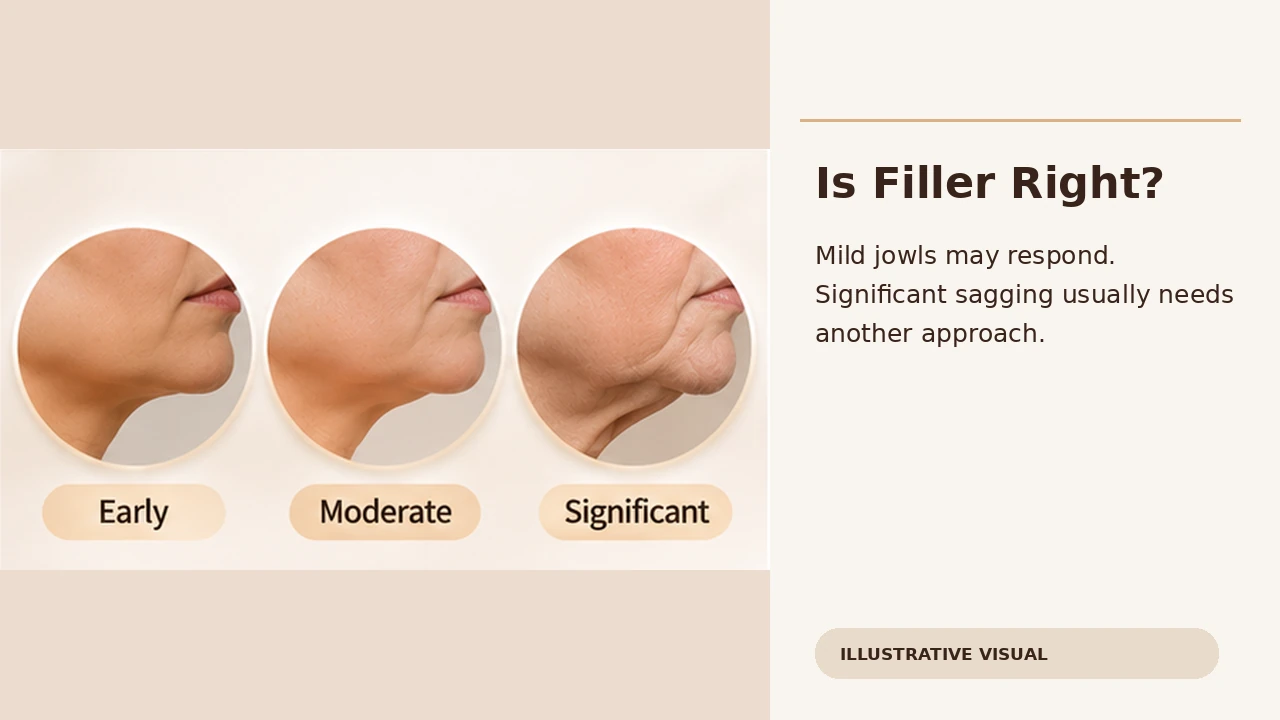
Filler for sagging jowls tends to suit mild to moderate cases best. The more loose skin there is, the less filler alone can do.
Suitability snapshot
Jowl stage | What you may notice | Filler's likely role |
|---|---|---|
Early | A slight dip beside the chin, a softer jaw edge | Often a strong candidate |
Moderate | A visible bulge, some loose skin when you look down | Possibly helpful as part of a plan |
Significant | Hanging skin, a heavy lower face, neck changes | Usually not enough alone |
This table is a guide, not a diagnosis. Your provider assesses your face in person.
Early jowls in your 30s and 40s
Jowls in your 30s are more common than many people expect. Genetics, bone structure and weight changes all play a role.
At this stage, the change is often a small groove beside the chin rather than true sagging. That groove, called the pre-jowl sulcus, is one area where small amounts of filler may help.
Clinicians commonly see that people in this group respond well to subtle support. The goal is to blur the dip, not reshape the face.
When filler alone is unlikely to be enough
Some signs point toward a combined approach or a surgical opinion:
Skin that drapes or folds when you tilt your head down
Heaviness that extends into the neck
Jowls that look heavy even when you smile
Fat that sits low along the jaw
These are common patterns in injector practice. They tell your provider to look beyond filler, not that nothing can help.
Wait, You Might Be Thinking: "Can Filler Make Jowls Look Worse?"
It can, if it's placed in the wrong spot or in too large an amount. Adding weight directly to a sagging area can exaggerate it.
That's why careful injectors usually build support elsewhere first, and add product slowly over more than one visit if needed.
A common pattern in injector practice is that people who fear "the filler look" are often reacting to over-treatment, not to filler itself. Small, staged amounts tend to look more natural.
How Long Does Filler for Jowls Last?
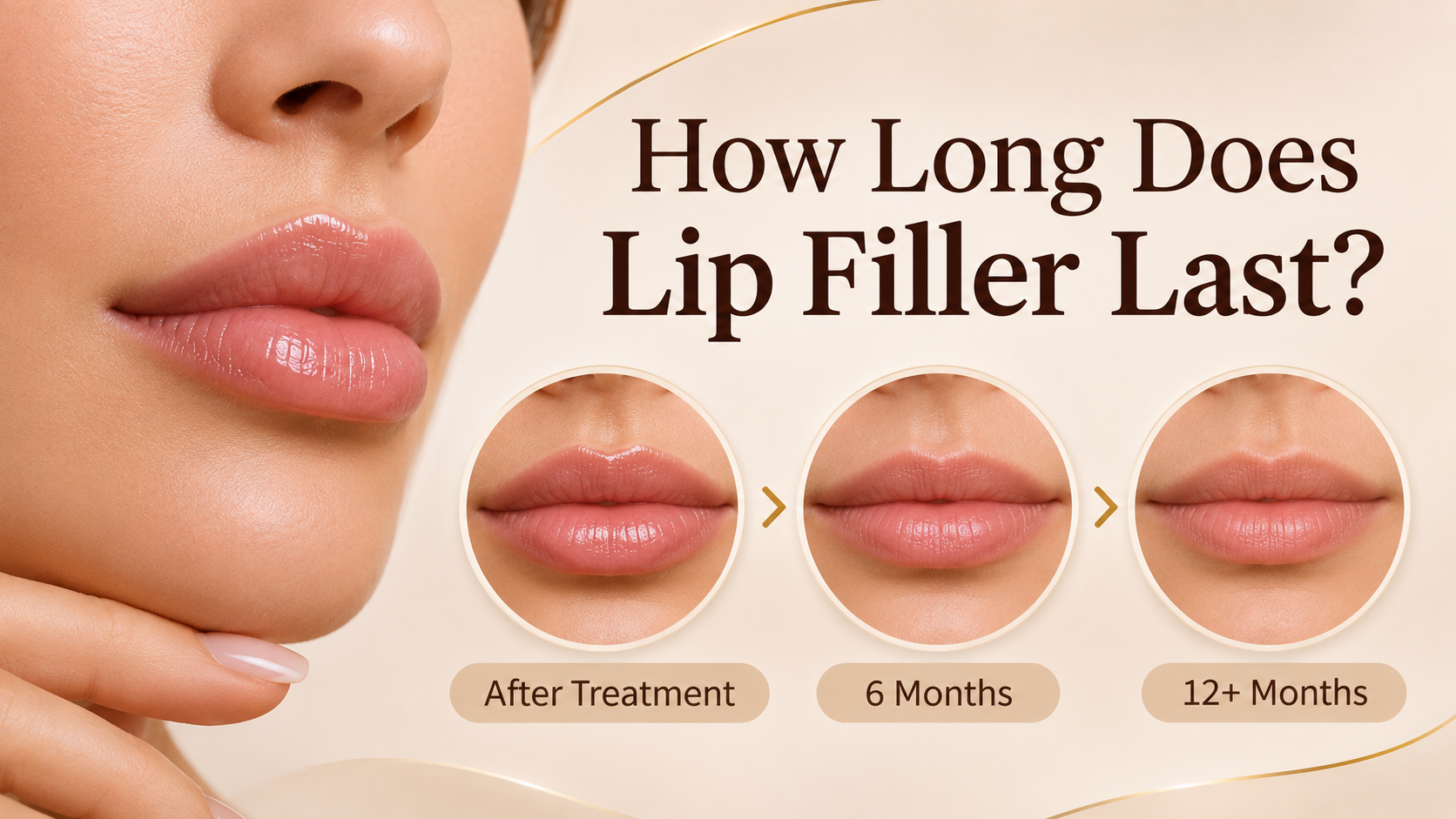
Results typically last about 6 to 18 months, per the clinic, depending on the filler type and the area treated. Areas that move less, such as the chin and jawline, often hold filler longer than areas that move a lot.
What affects how long it lasts
Factor | Effect on longevity |
|---|---|
Filler type | Firmer fillers designed for structure tend to last longer |
Area treated | Lower-movement areas often last longer |
Metabolism | Some people break filler down faster |
Amount placed | Results build over time with maintenance |
How much filler for jowls?
There's no fixed number of syringes. The amount depends on how many areas need support and how much volume you've lost.
One review of chin and jawline rejuvenation notes that hyaluronic acid, calcium hydroxylapatite and poly-L-lactic acid are among the fillers commonly used in the lower face, each with its own characteristics. See the review on injectable fillers for chin and jawline rejuvenation.
Pro tip: Ask your injector to plan your total amount over two visits, so you can see how the first round settles before adding more.
Filler vs Sculptra vs Tightening vs Surgery
Each option solves a different part of the jowl problem. Compare them on these four points:
What it targets (volume, skin, fat or structure)
How quickly you see a change
Downtime
Who it tends to suit
Option | What it targets | Change appears | Best discussed if |
|---|---|---|---|
Dermal filler | Volume and support | Right away, settling over days | Your jowls are mild and mostly from volume loss |
Sculptra collagen stimulator | Gradual collagen support | Slowly, over a series of sessions | You prefer gradual change and have overall thinning |
Morpheus8 skin treatment | Skin quality and texture | Over weeks | Loose or crepey skin is part of your concern |
Fat-dissolving injections | Localized fat | Over weeks | Fat, not sagging, makes the jaw look heavy |
Surgery | Excess skin and deeper tissue | After recovery | Your sagging is significant |
Many people use more than one option. Our non-surgical facelift guide explains how treatments can be combined. If you're weighing a surgical route, our comparison of non-surgical and surgical facelifts sets out the trade-offs.
What It Feels Like, Risks and Aftercare
Most people feel pressure and brief pinching during filler for jowls. Mild swelling and bruising are common for a few days.
Before your appointment
The clinic's pre-care steps include:
Avoid blood thinners for at least one week, if your doctor allows it
Skip aspirin, ibuprofen and certain herbal supplements
No alcohol for at least 24 hours before
Stop retinoids and glycolic acids 2 to 3 days before
Avoid dental work for 2 weeks before
Don't fast on the day of treatment
After your appointment
Timing | What to do |
|---|---|
First 24 hours | Avoid touching or pressing the area |
First 24 hours | Use a cold compress for 10 to 15 minutes at a time if swollen |
First 24 hours | Skip strenuous exercise and heavy sweating |
First week | Let the filler settle; full results can take a few days to a week |
2 weeks after | Avoid dental procedures, including cleanings |
2 to 4 weeks after | Attend your follow-up visit |
Possible side effects
Common short-term effects include swelling, bruising, tenderness and redness. Less often, lumps, uneven results or filler migration can happen. Rare but serious complications can also occur.
That's one reason treatment should be done by a trained, regulated health professional with a plan for complications.
Pregnancy, breastfeeding, some medications, active skin conditions and your medical history can all affect suitability.
What Affects the Cost of Jowl Filler?
Filler for jowls cost depends mostly on how much product you need and how many areas are treated. A jowl plan is often priced by the syringe, not by "the jowls."
Main cost factors:
Number of syringes across all treated areas
Filler type, since structural fillers may differ in price
Number of visits, if the plan is staged
Maintenance over time
A full plan may cost more upfront than one area, but it's often more balanced.
The clinic doesn't publish filler prices online. The consultation gives you a written estimate based on your plan. Third-party financing options are available, and the lender decides approval and rates.
If you're also comparing wrinkle-relaxing injections, our Botox cost guide for Waterdown and Hamilton explains how that pricing differs.
How to Read Jowl Filler Before-and-After Photos
Before-and-after photos can help, but only if you know what to check. Use this five-point list:
Same angle: is the head tilted the same way in both photos?
Same lighting: overhead light deepens shadows and exaggerates jowls.
Same expression: a relaxed face vs a slight smile changes everything.
Timing: was the "after" taken once swelling had settled?
Starting point: does the "before" look like your own jowl stage?
If any of these differ, the photo may show the camera more than the treatment.
Pro tip: Take your own photos in the same window light, at the same angle, before treatment and again at your follow-up, so you can judge your result fairly.
Which Option Fits Your Priority?
Match your main goal to the right question for your consultation:
If your priority is softening an early dip beside the chin, ask about chin filler and pre-jowl support.
If your priority is a flatter midface, ask whether cheek filler could reduce downward drag.
If your priority is loose or crepey skin, ask about skin-focused options such as Morpheus8.
If your priority is gradual, subtle change, ask whether Sculptra fits your timeline.
If your priority is a heavy jaw from fat, ask whether fat-dissolving injections are suitable.
What to Ask at Your Consultation
A good consultation should explain why your jowls formed before suggesting a treatment. Bring these questions:
Question | Why it matters |
|---|---|
Are my jowls mainly volume, skin or fat? | Sets the right treatment direction |
Where would you place filler, and why there? | Confirms an "upstream" approach |
How much filler do you estimate, over how many visits? | Avoids overfilling |
Which filler type do you plan to use? | Affects feel and longevity |
What's your plan if a complication happens? | Shows safety planning |
When is my follow-up? | Lets you review the result |
Our medical aesthetic consultation guide covers more questions worth asking. For background on filler types, see our dermal filler overview.
Frequently Asked Questions
1. How many syringes of filler for jowls do people usually need?
It varies with how many areas need support. Early jowls may need only a small amount, while a fuller plan across the cheeks, chin and jaw needs more. Your provider estimates this at your consultation.
2. Cheek filler or jawline filler: which is better for jowls?
Cheek filler may help if midface volume loss is pulling the lower face down. Jawline filler may help if the jaw edge looks blurred. Many plans use both in a set order.
3. Sculptra vs filler for jowls: which is better for me?
Filler gives a visible change quickly and suits targeted support. Sculptra builds collagen gradually over a series of sessions and suits overall thinning. Your skin quality and timeline usually decide which fits.
4. Does filler for jowls hurt, and what is the downtime?
Most people feel pressure and brief pinching. Swelling or bruising may last a few days. Most people return to daily activities soon after, avoiding strenuous exercise for 24 hours.
5. Can filler be dissolved if I don't like the result?
Hyaluronic acid filler can often be dissolved by a trained provider using an enzyme. Other filler types can't be reversed the same way. Ask which type is planned before treatment.
The Bottom Line
Filler for jowls can soften early or mild jowling by restoring support in the cheeks, chin and jawline. It can't remove loose skin or lift significant sagging, and it works best as part of a plan matched to your cause.
As of November 2026, the most useful first step is an honest assessment, not a syringe count.
Start with a consultation, and ask about skin-focused or surgical options if your jowls come mainly from loose skin.
When you're ready, you can book an injectables consultation online or send the clinic a question.
Call
(905) 690-8332Get in touch
Send us a message
Questions about a treatment, booking or pricing? Send us a note and we will get back to you.