
Is Laser Hair Removal Permanent? How Many Sessions It Takes and What Results to Expect
Medically reviewed by Nicole Francis, NP, on November 21, 2026.
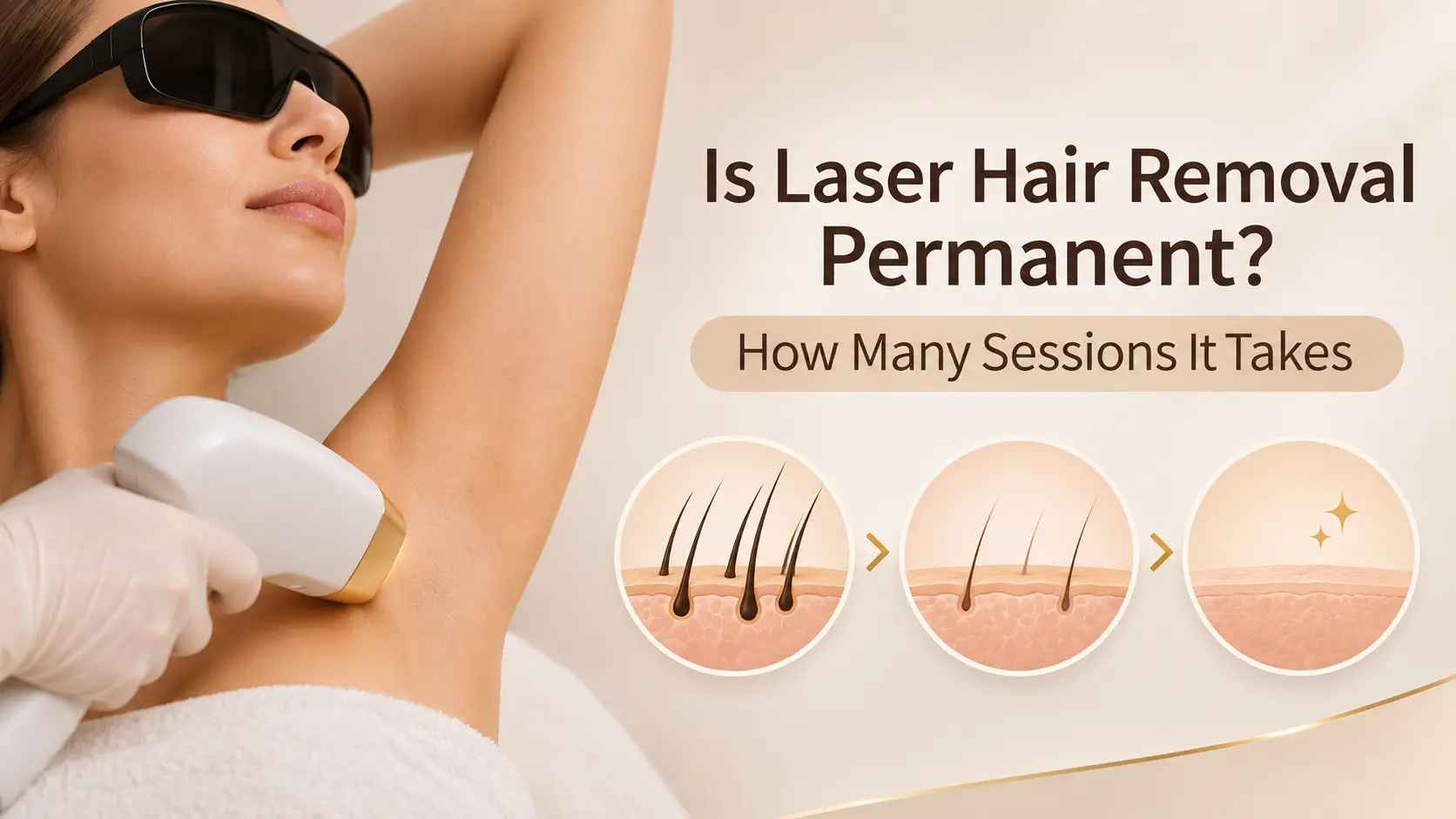
Is laser hair removal permanent? Not in the "never see another hair" sense. It's better described as long-term hair reduction. Most people need a series of sessions, often 6 to 8. After that, hair tends to be noticeably sparser, finer and lighter. Some regrowth over time is normal.
TL;DR
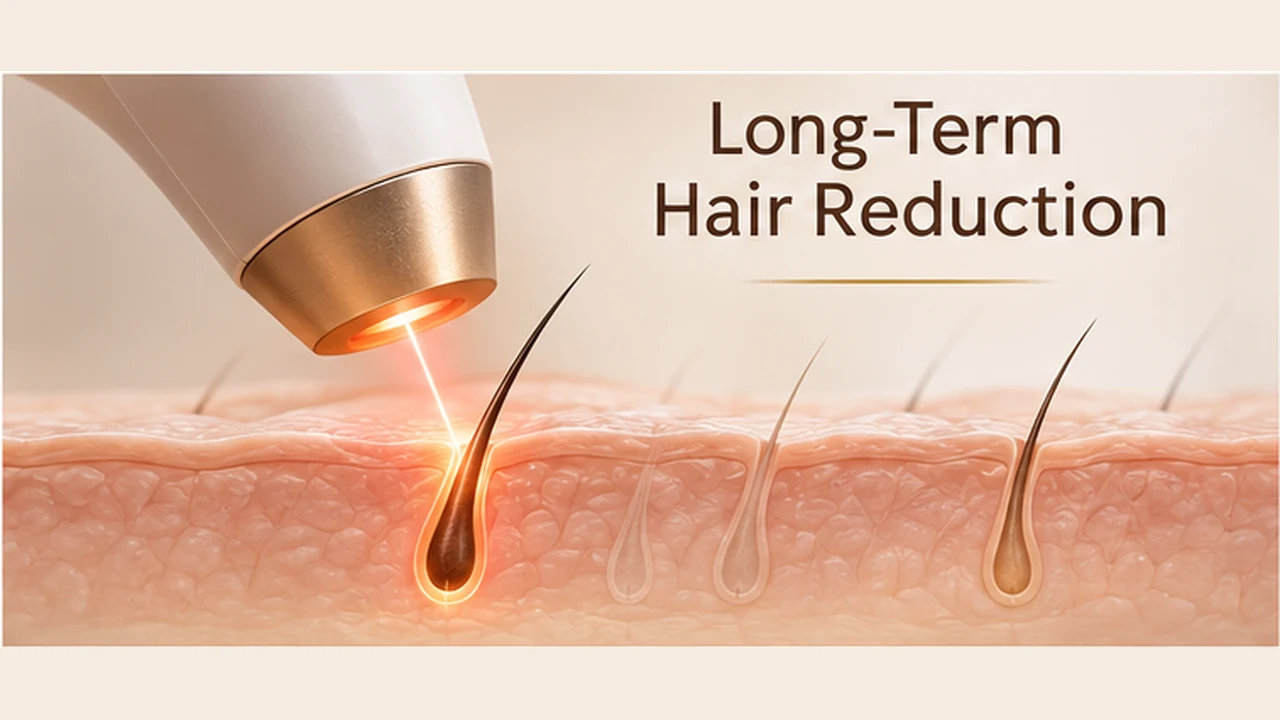
Laser hair removal reduces hair over the long term. It doesn't promise that every hair is gone for good.
Most people need a series of treatments. Six to eight sessions is a common starting estimate, and some areas need more.
Results last longest on dark, coarse hair. They tend to be weaker on light, grey or white hair.
Hormones can trigger new growth later, so occasional touch-ups are normal.
Most people describe the feeling as quick snaps of heat. Areas with thin skin or dense hair tend to feel the most sensitive.
Can you promise yourself you'll never pick up a razor again, no matter what your hormones decide to do in the next ten years?
Me neither. Here is why.
Is Laser Hair Removal Permanent? What "Long-Term Reduction" Really Means
Laser hair removal disables many follicles for a long time, but research hasn't shown that it removes every hair completely and forever. An evidence-based review of hair removal with lasers and light sources found evidence of partial long-term hair reduction after repeated treatments, and no evidence of complete, persistent removal.
That's why careful clinics say "reduction" instead of "removal."
How the laser works
The laser targets pigment (melanin) in the hair. That pigment absorbs light, turns it into heat, and the heat damages the follicle that grows the hair.
→ Dark hair + light skin = the clearest target
→ Damaged follicle = slower, finer or no regrowth
→ Missed or resting follicle = hair that comes back later
Why hair grows back in cycles
At any moment, only some of your hairs are actively growing. The laser works best on hairs in that active phase.
Hairs that were resting during your appointment wake up later and need their own turn. This is the main reason one session is never enough.
What regrowth usually looks like
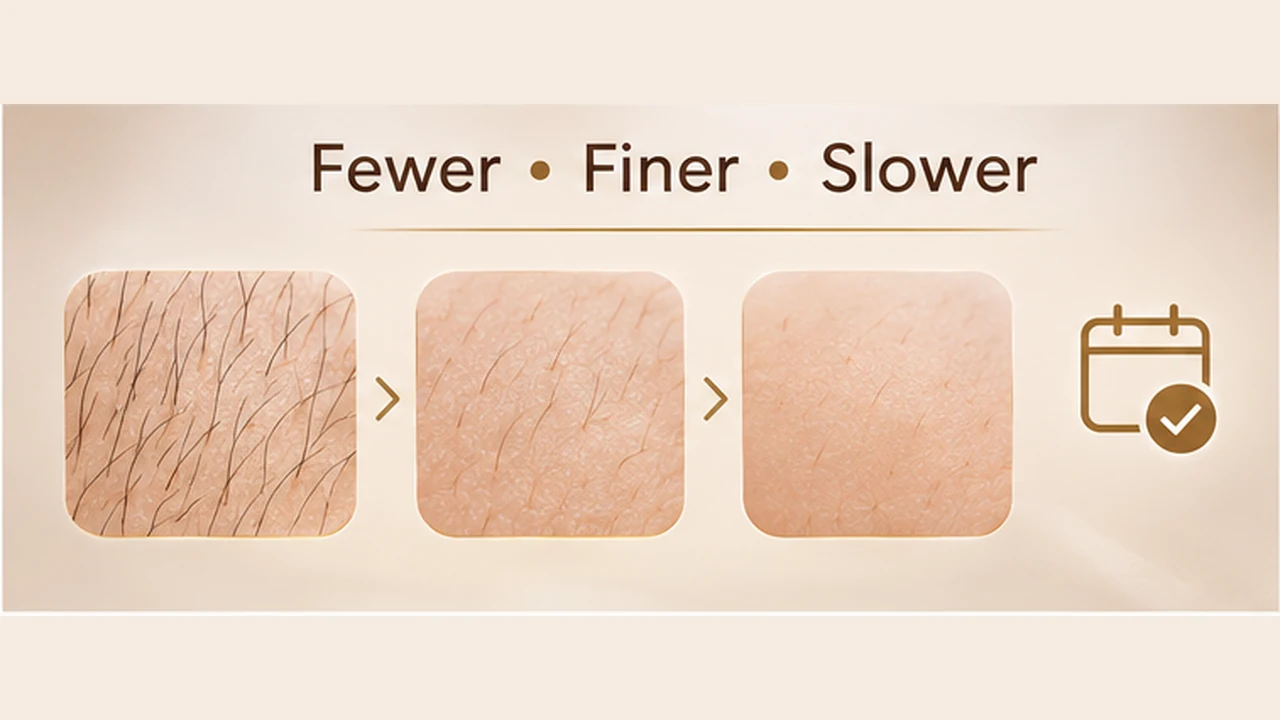
Regrowth after a full series tends to look different from your original hair:
Finer and softer
Lighter in colour
Patchier, with fewer hairs per area
Slower to grow back after shaving
In practice, many people stop shaving every day and only tidy up now and then.
That shift is the realistic goal.
How Many Laser Hair Removal Sessions Does It Take?
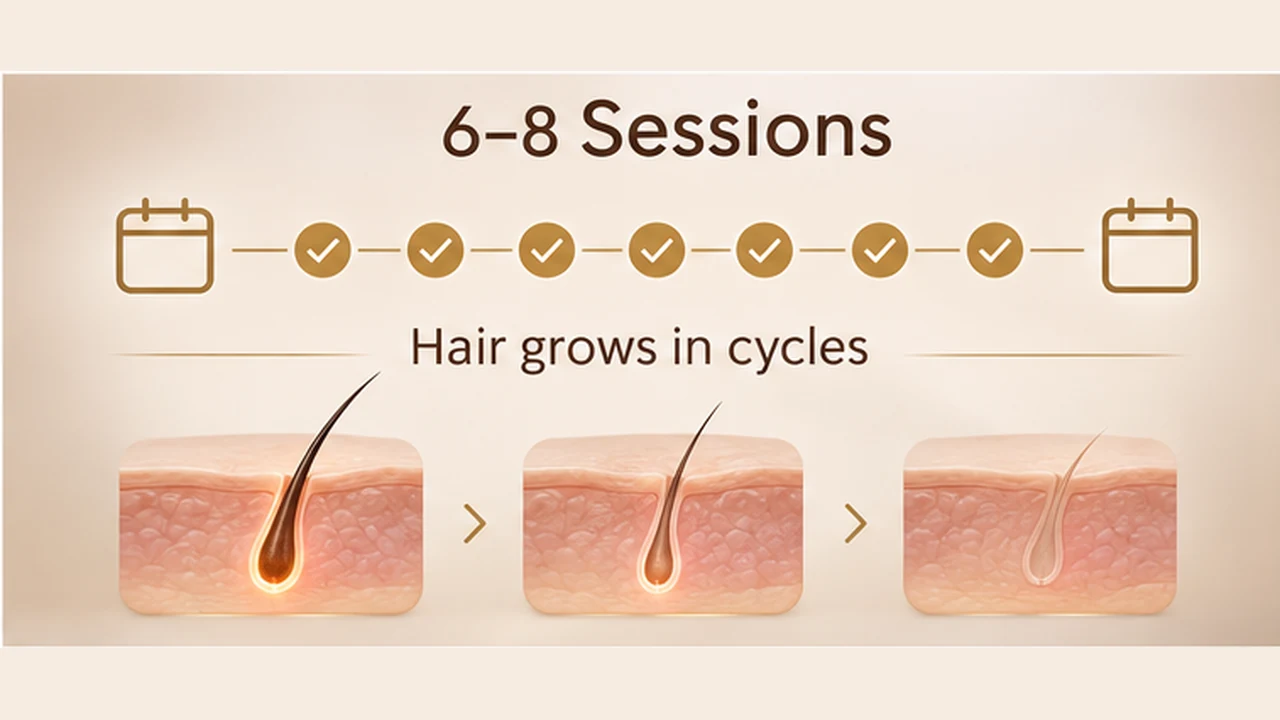
Most people need about 6 to 8 sessions. That's the range listed on the laser hair removal service page for Waterdown, and it's a useful starting estimate, not a fixed number.
Your hair, skin and treatment area decide where you land.
Sessions by area: a realistic starting point
Area | Typical response | What to expect |
|---|---|---|
Underarms | Often responds well (coarse, dark hair) | Often within the usual series range |
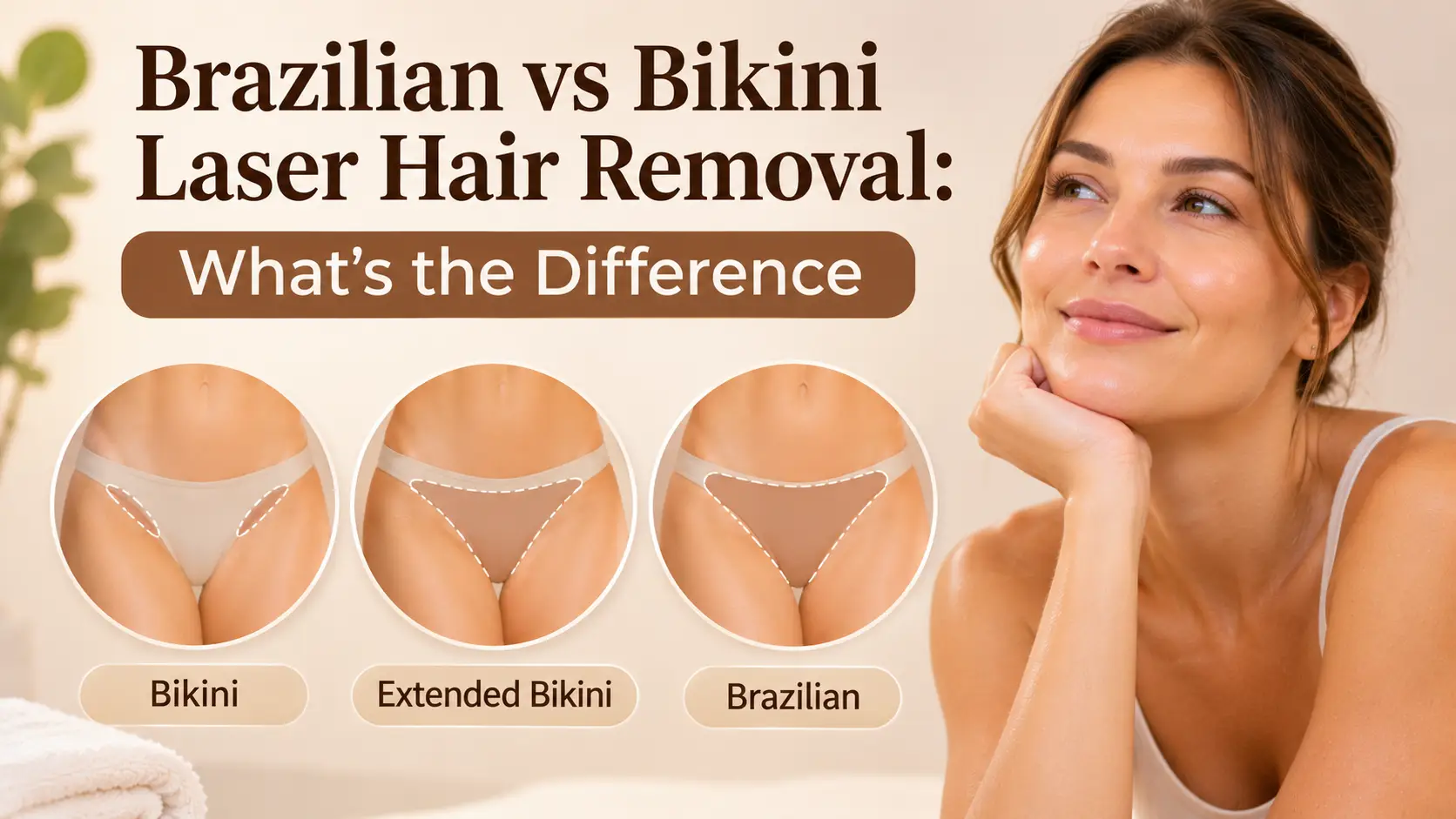
Bikini line | Often responds well, though it can feel more sensitive | Usual series, sometimes plus touch-ups |
Legs (full or half) | Steady response, larger area | Usual series range |
Upper lip, chin, jawline | Slower, often hormone-influenced | May need more sessions and ongoing touch-ups |
Back and chest | Dense hair, large area | May need more than the usual series |
Ranges vary from person to person. Your provider estimates your number at the consultation.
Why sessions are spaced weeks apart
Sessions are spread out so the laser can reach hairs as they move into the growing phase.
Booking sooner doesn't speed things up. It mostly treats follicles that were already treated, or ones that aren't ready yet.
Your provider sets the spacing for each area. Facial hair and body hair often follow different schedules.
Pro tip: Book your next session before you leave each appointment, because a skipped or late visit means you miss hairs as they move into their growing phase.
Who tends to need more sessions
Some areas and hair types tend to need more than the usual 6 to 8 sessions.
Fine, light or grey hair often responds more slowly. There's less pigment for the laser to target.
Hormone-influenced areas such as the chin, jawline and neck may need extra sessions and touch-ups over time.
Dense, coarse areas such as the back or chest can take longer to thin out, simply because there's more hair to work through.
This is a common pattern in laser practice. It's not a sign that treatment has failed.
How Long Does Laser Hair Removal Last?
After a full series, results are long-lasting. Many people see lasting reduction for years, with only occasional touch-up visits.
How long results last depends on the area, your hormones and how many follicles were disabled.
Results by area
Area | How long results tend to last | Common pattern |
|---|---|---|
Underarms | Long-lasting for many people | Sparse, fine regrowth, if any |
Bikini area | Long-lasting with occasional touch-ups | A few stray hairs over time |
Legs | Long-lasting | Lighter, patchy regrowth |
Face (lip, chin, jaw) | More variable | New hormone-driven hairs may appear |
Back and chest | Variable | Gradual new growth can happen with age |
Series complete vs maintenance
Your series is complete when regrowth is slow, fine and easy to manage.
Maintenance means an occasional touch-up visit as stray hairs appear. Some people need it once or twice a year, while others rarely need it at all.
A touch-up is normal. It doesn't mean the treatment stopped working.
How to judge your own results
Use this simple check after your final planned session:
Count: fewer hairs in the area than before you started?
Texture: are the hairs that remain softer and lighter?
Speed: do you shave far less often than you used to?
Comfort: fewer ingrown hairs and less irritation?
If you answer yes to most of these, the series did its job.
What Changes Your Results?
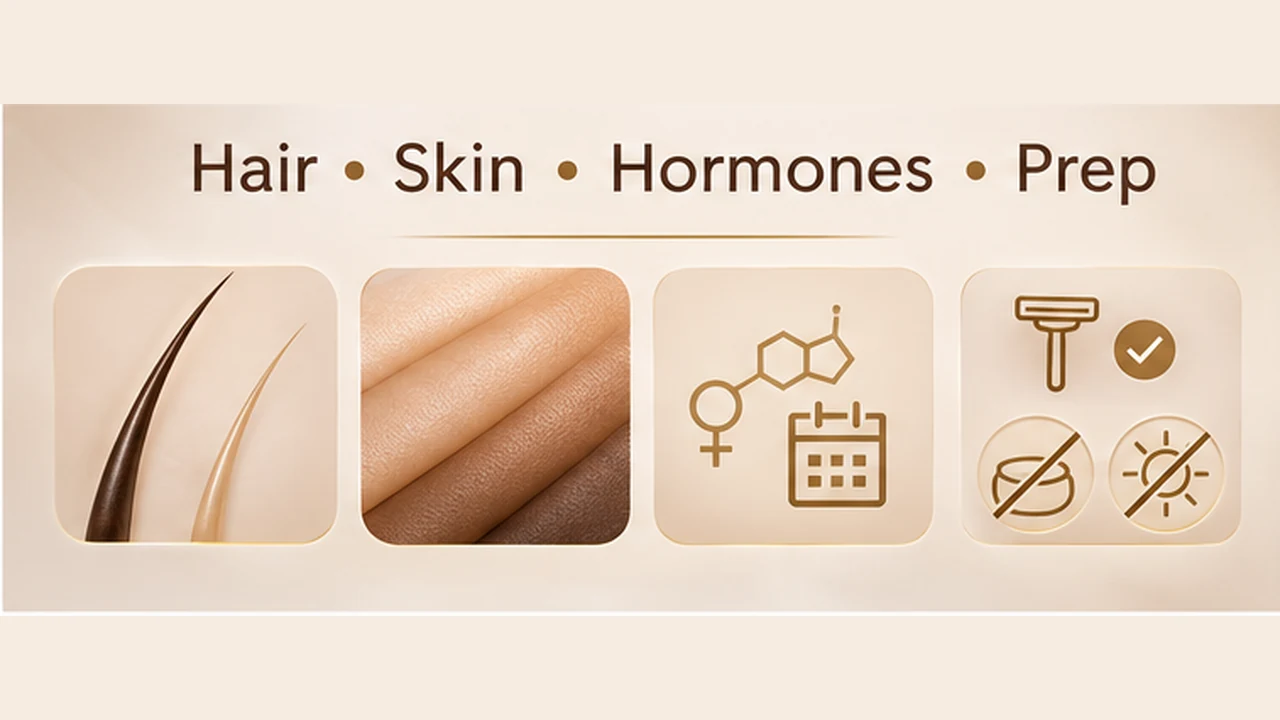
Four factors shape how well laser hair removal works for you: hair colour, skin tone, hormones and preparation. A review of the laser and patient factors behind hair removal results notes that long-term effects depend on factors such as hair colour, skin colour and the energy level the patient tolerates.
Hair colour and thickness
Dark, coarse hair absorbs the most light, so it tends to respond best.
Blonde, red, grey and white hair carry little pigment, so the laser has less to target. Some people with very light hair may want to ask about other options.
Skin tone
The laser needs to tell the difference between hair pigment and skin pigment.
Settings are adjusted for different skin tones to protect the skin. That's one reason a proper consultation and patch assessment matter.
Hormones: PCOS, perimenopause and new growth
Hormones can wake up follicles that were never active before. Laser can't treat a hair that hasn't started growing yet.
This often shows up on the chin, jawline and neck. Life stages and conditions linked to hormone shifts, such as the early signs of perimenopause, can bring new facial hair years after a completed series.
If new hair keeps appearing, a separate medical conversation may help. Some people explore hormone health through options such as bioidentical hormone therapy consultations, where suitability is assessed one person at a time.
Tanning and recent hair removal
The service page asks clients to avoid sun exposure, tanning beds and self-tanner for at least 4 weeks before treatment. Tanned skin raises the risk of irritation and can limit the settings a provider can safely use.
It also asks clients to avoid waxing, plucking and electrolysis for at least 4 weeks before treatment, because these remove the hair root the laser needs to target.
→ Root intact + shaved surface = a ready target
→ Waxed or plucked = nothing for the laser to find
Wait, You Might Be Thinking: "If It's Not Permanent, Is It Worth It?"
For many people, yes. The goal is less hair and less effort, not zero hair.
Going from daily shaving to an occasional tidy-up saves time, cuts down on razor bumps and ingrown hairs, and makes hair removal something you rarely think about.
If you need every single hair gone for good, read the comparison section below before you decide.
Does Laser Hair Removal Hurt?
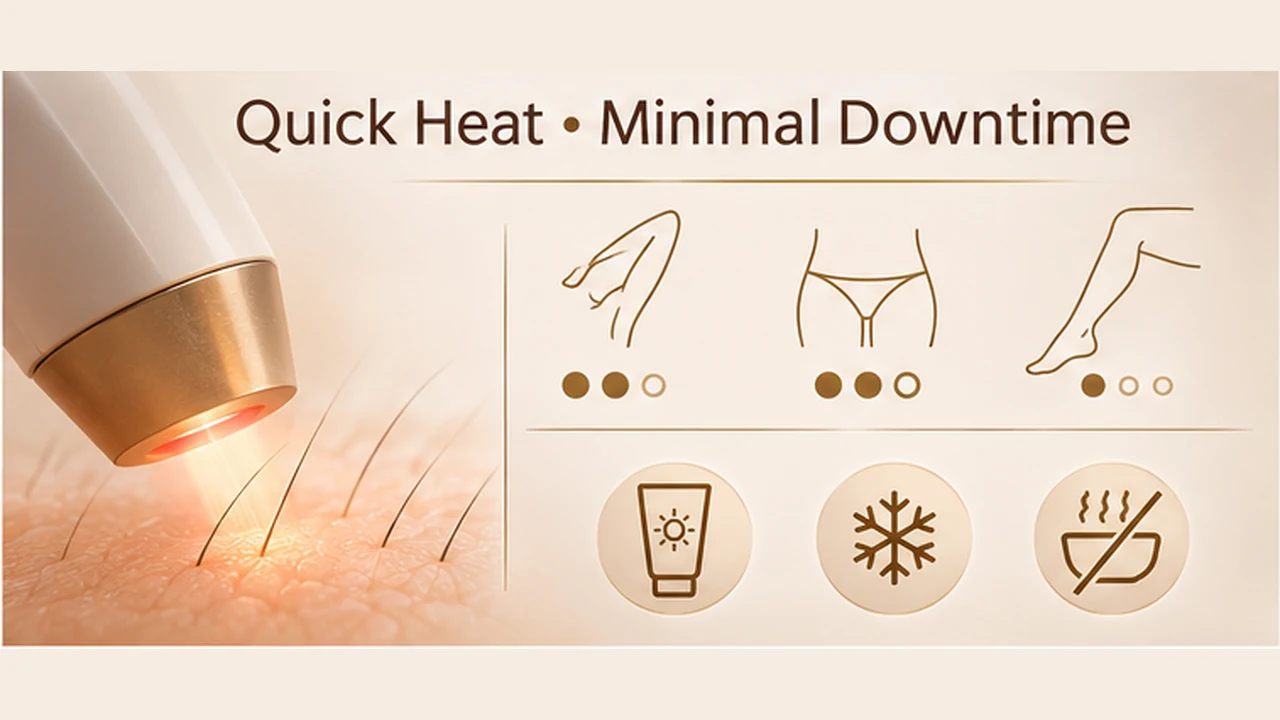
Laser hair removal can be uncomfortable, but most people find it manageable. It's often described as quick snaps of heat on the skin.
How much it hurts depends on the area, how dense the hair is and your own sensitivity.
Sensitivity by area
Area | Typical sensitivity | Why |
|---|---|---|
Legs, arms | Lower | Thicker skin, spread-out hair |
Underarms | Moderate | Dense, coarse hair |
Upper lip, chin | Moderate to higher | Thin skin, close to bone |
Bikini line | Higher | Dense hair, sensitive skin |
Many people notice that later sessions feel easier, because there's less hair absorbing the heat.
That's the one part of the process that tends to get better on its own.
Does laser hair removal hurt more than waxing?
Many people find laser comparable to waxing or easier, especially later in the series. The real difference is how often you do it.
Waxing repeats for as long as you keep removing hair. Laser is a planned series followed by occasional touch-ups.
Before your appointment: shaving
Shave the treatment area 1 to 2 days before your session, as the service page advises.
A freshly shaved surface lets the energy reach the root instead of heating long hair on the surface. If you skip shaving, your session may be less comfortable and less effective.
After your appointment: redness and care
Redness and mild swelling around the follicles are common right after treatment. They usually settle within hours to a few days.
Less often, people notice temporary darkening or lightening of the skin. Tell your provider if anything feels unusual or lasts longer than expected.
Simple after-care habits:
Keep the area out of direct sun
Use broad-spectrum sunscreen on exposed areas
Skip hot tubs and intense workouts for a day or so if the skin feels warm
Don't pick at shedding hairs, which can look like regrowth in the first couple of weeks
Pro tip: Mark your shaving and sun-avoidance dates in your calendar the day you book, so your prep never depends on remembering at the last minute.
Laser vs Electrolysis vs IPL vs At-Home Devices
Each method suits different goals. Compare them on these four points:
How long results last
Which hair colours it suits
Time commitment
Who performs it
Method | How long results last | Best suited to | Time commitment | Who performs it |
|---|---|---|---|---|
Professional laser | Long-term reduction | Dark hair, larger areas | A series, then touch-ups | Trained professional |
Electrolysis | Treats each follicle directly | All hair colours, small areas | Many sessions, hair by hair | Trained electrologist |
IPL hair removal | Reduction, often less consistent | Dark hair on lighter skin | A series | Clinic provider |
At-home devices | Mostly maintenance | Light touch-ups between professional sessions | Ongoing, self-led | You |
The bottom line: laser fits people who want large areas reduced efficiently. Electrolysis fits people with small areas or light hair who want each follicle treated directly.
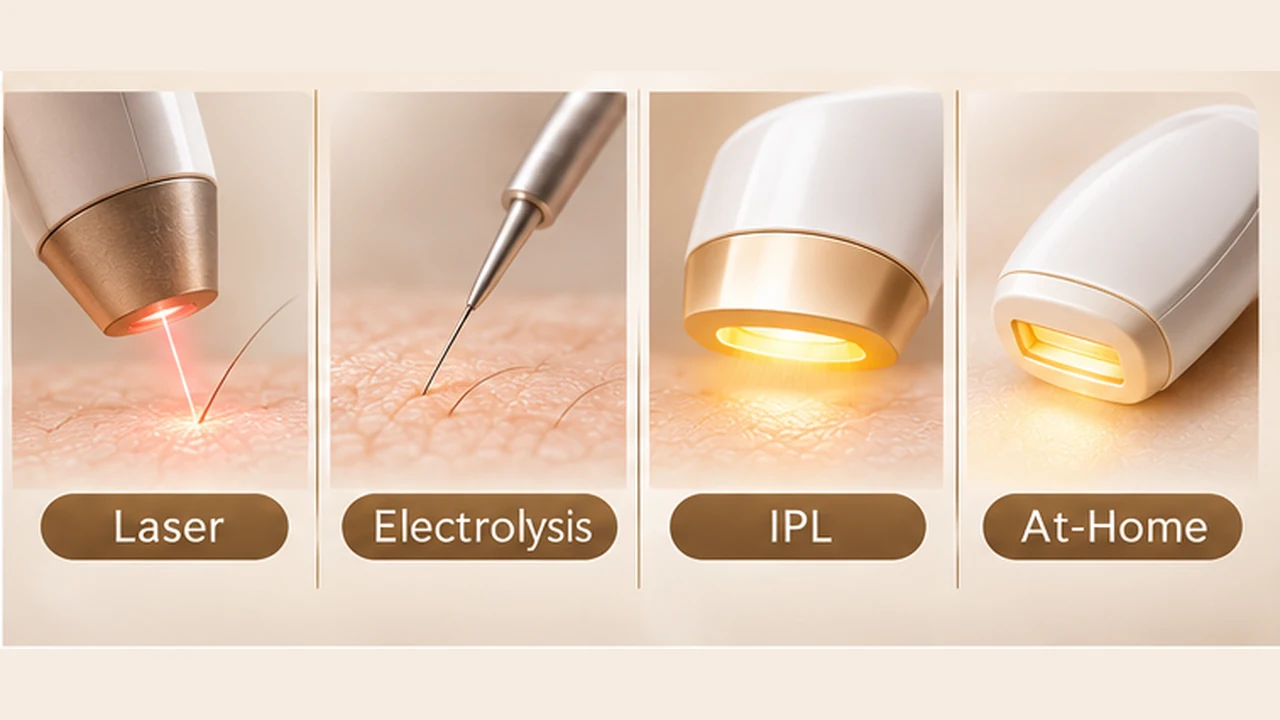
At-home devices evolved from high-fluence professional devices into low-fluence home-use appliances, as a review of light-based home-use hair removal devices explains. They can be useful for upkeep, but they work differently from a professional series.
For more on what to expect from treatment in general, see our guide to laser hair removal pros, cons and treatment expectations.
Which Option Fits Your Priority?
Match your main goal to the right question for your consultation:
If your priority is clearing large areas such as legs or back, ask about a laser series and how many sessions your hair density may need.
If your priority is light, grey or white facial hair, ask whether laser suits your hair or whether electrolysis is a better fit.
If your priority is chin or jawline hair that keeps returning, ask how hormones may be involved and whether a separate medical check makes sense.
If your priority is avoiding ingrown hairs and razor bumps, ask how laser may help reduce irritation in your problem areas.
If your priority is budget and timing, ask for a session estimate by area and whether third-party financing programs are available. The lender decides approval and rates.
What to Ask at Your Consultation
A good consultation should leave you with a clear plan, not just a price. Use this checklist:
Question | Why it matters |
|---|---|
How many sessions do you estimate for my area? | Sets a realistic expectation |
How far apart will my sessions be? | Spacing affects results |
Is my hair colour a good match for laser? | Light hair may need another option |
How will settings be adjusted for my skin tone? | Protects your skin |
What's your touch-up approach after the series? | Explains long-term upkeep |
Who performs the treatment? | Training and experience matter |
What should I avoid before and after? | Prep shapes results |
Our step-by-step medical aesthetic consultation guide covers more questions worth bringing.
At Visage Rejuvenation, a nurse-led clinic in Waterdown between Burlington and Hamilton, laser hair removal starts with a consultation. Thursday appointments run until 7 pm, which helps if you work during the day. Readers in Burlington can also see our Burlington laser hair removal overview.
Explore other options on the laser treatments page, or read how to maintain your results after aesthetic treatments.
Frequently Asked Questions
1. Does laser hair removal work on grey, white or blonde hair?
It usually works less well. These hair colours carry little pigment for the laser to target. Electrolysis may suit light hair better, and your provider can assess your hair at the consultation.
2. Can hair grow back after a full laser series?
Yes. Some hair can return, especially because of hormones or follicles that weren't in a growing phase during treatment. Regrowth is usually finer and sparser, and a touch-up can manage it.
3. Laser vs electrolysis: which is more permanent for me?
Electrolysis treats each follicle directly and works on any hair colour, but it's slow and best for small areas. Laser covers larger areas faster and works best on dark hair. Your hair colour and the size of the area usually decide which fits.
4. Is at-home laser hair removal permanent?
At-home devices tend to use lower energy than clinic devices. Most people use them for upkeep rather than as a first series. Results vary, and following the device's instructions matters.
5. Is laser hair removal safe during pregnancy or breastfeeding?
Many clinics recommend waiting during pregnancy because of limited safety data. Breastfeeding, some medications, active skin conditions and your medical history can also affect timing. Discuss your situation with your provider before booking.
The Bottom Line
So, is laser hair removal permanent? It's long-term reduction, not a lifetime guarantee. Most people need about 6 to 8 spaced sessions, and many go from daily shaving to occasional touch-ups. Hair colour, skin tone and hormones shape how far you get.
As of November 2026, the honest standard is simple: expect less hair and less effort, not zero hair forever. For a deeper medical overview, see the StatPearls clinical summary on laser hair removal.
Start with a consultation, and ask about electrolysis if your hair is light or grey. When you're ready, you can book a laser hair removal consultation online or send the clinic a question.
This article is for education and does not replace personal medical advice. Individual results vary. Book a consultation to discuss your health, goals and options.
Call
(905) 690-8332Get in touch
Send us a message
Questions about a treatment, booking or pricing? Send us a note and we will get back to you.